Repair Routing
Route drills, jigsaws, saws, sanders, and extractors by symptom, serial detail, kit dependency, and jobsite urgency so the right support path is clear before the box leaves the shop.
Service Intro
Festool service planning starts with the way a crew actually uses cordless drills, track saws, jigsaws, sanders, dust extractors, rails, blades, abrasives, and batteries across a week of work. A repair ticket is only one part of the operating picture. Tool cribs need serial visibility, project leads need dependable turnaround, and dealers need clear routing when a kit is missing the accessory that makes the system productive. This services page follows a repair, calibration, and field-support structure so the conversation moves from a loose request into a practical tool standard.
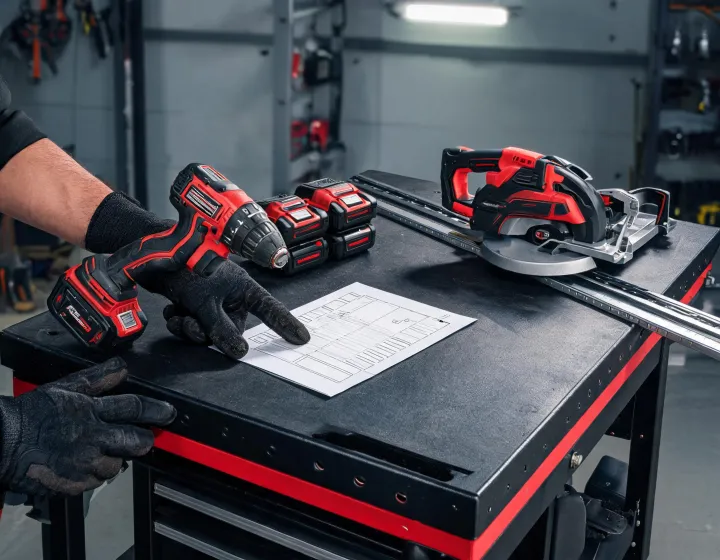
Repair, Calibration, Field Service
Route drills, jigsaws, saws, sanders, and extractors by symptom, serial detail, kit dependency, and jobsite urgency so the right support path is clear before the box leaves the shop.
Review guide rail alignment, cut accuracy, torque consistency, extraction airflow, and accessory wear when a system needs repeatable results rather than a single quick fix.
Define which batteries, chargers, blades, abrasives, hoses, and cases travel together so a crew does not lose productivity to missing system pieces.
Connect the buyer, dealer counter, and support desk with the same model information and accessory context, reducing repeated explanations during service intake.
A professional tool service program should respect the dependency chain between the machine, the battery, the consumable, the guide, and the dust path. When a track saw is out of alignment, the answer may involve rail wear, blade selection, material thickness, or extraction drag. When a cordless drill feels underpowered, the battery state, torque setting, bit selection, and fastening pattern all matter. Festool support is presented here as a system review rather than a generic service counter because power tool uptime is measured by the next cut, hole, finish pass, and packout decision. The result is a clearer brief for the person approving replacement parts, organizing the tool crib, or deciding whether a kit should be rebuilt around a newer platform.
Pro Endorsement
Our cabinet crew plans saws, rails, and extractors as one package. The service brief helped us document what each kit must include before it leaves the shop.
Production Lead, Architectural MillworkWe stopped treating drill failures as isolated events. Battery age, bit packs, and fastening cycles now get reviewed together, which makes support calls shorter.
Tool Crib Manager, Interior ContractorDealer coordination matters when multiple crews share a tool pool. A single model list with serial notes keeps replacements and accessories from drifting apart.
Operations Buyer, Renovation GroupGet in touch
Send the tool family, model list, material mix, and pressure point. The shared inquiry form captures enough context to route repair, calibration, kit planning, or dealer support without an inline page form.
Open the form, attach the model context in the notes, and keep all service requests moving through the same validated channel.
Open Service Form