Battery Consistency
Broaden kit planning around shared charging, balanced runtime, and tool families that travel together from first fix to finish pass.
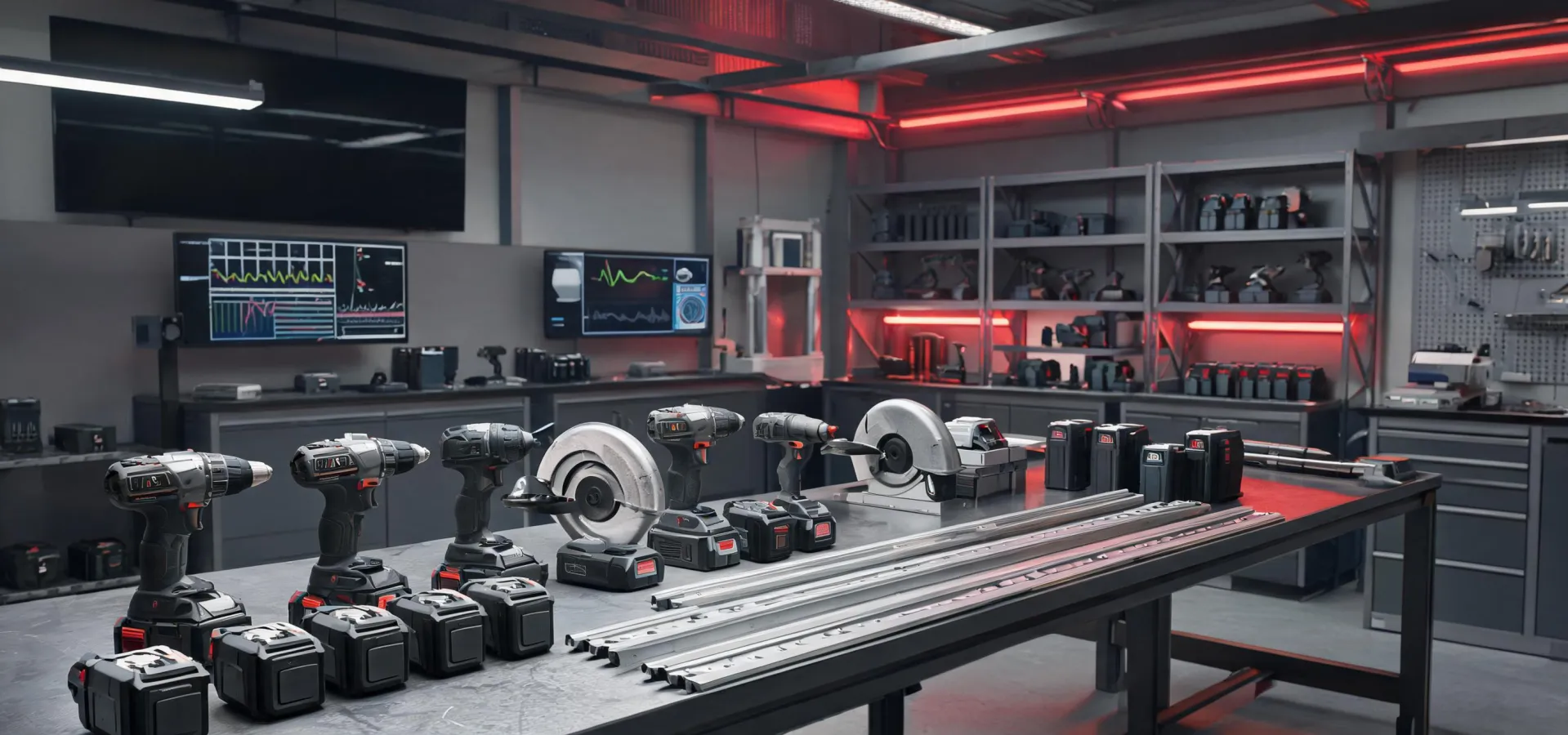
Video Background Structure
Festool is presented here as an innovation-led power tool platform: drills, saws, jigsaws, sanders, extraction, rails, batteries, and accessories are planned as connected decisions rather than separate purchases.
Vision 2030
Broaden kit planning around shared charging, balanced runtime, and tool families that travel together from first fix to finish pass.
Move sanding, cutting, and drilling briefs toward dust-aware setups where hoses, bags, filters, and tool ports are specified at the same time.
Use dealer and service feedback to reduce setup uncertainty, making system recommendations more practical for crews and buying teams.
The Festool story in this site is not written as a museum timeline. It is a roadmap about how professional buyers make power tool decisions when accuracy, dust control, battery sharing, and setup speed are all linked. A cabinet shop may choose a track saw because the rail system is consistent, but the same shop also needs extraction that does not fight the cut and blades that match the material. A renovation crew may value compact drills, yet the full benefit appears only when batteries, chargers, cases, bits, and service routing are planned together. This systems view changes the role of the brand. The goal is not simply to offer another cordless tool; the goal is to make the next job easier to stage, repeat, inspect, and support.
Milestones
Drill, driver, saw, jigsaw, and sanding kits are framed by shared battery logic and accessory compatibility.
Rails, blades, clamps, and extraction turn panel work into a repeatable station instead of a one-off setup.
Abrasives, sander motion, and dust paths are specified around final surface quality and cleanup expectations.
Repair routing and dealer notes inform better kit recommendations for the next buyer conversation.
Partners Logo Grid Structure
Those partner groups keep the roadmap grounded. A dealer notices when buyers ask for a drill but actually need a bit set, spare pack, and charger plan. A shop lead notices when a saw cut is accurate but dust management slows the bench. A tool crib notices when similar crews build incompatible kits because accessories were bought separately. Festool content should make these dependencies visible. That is why the page uses a roadmap, timeline, partner grid, and CTA rather than a generic company profile. It gives buyers a sharper way to talk about standards, support, and system fit.
Use the shared inquiry form to describe the crew, materials, cut quality, fastening pattern, sanding requirement, and support expectations behind the next system decision.
Plan The Roadmap